
Bee Removal and Rescue Methods
Bee Removal and Rescue Methods
In this article we are going to discuss some of the ways you can avoid having bees in places you don't want them.
Bees are all around us. They have been domesticated or kept since the time of the ancient Egyptians—or even further back. Honey was around long before sugar and corn syrup, and the bees were there making it the whole time. Apis mellifera was introduced to the New World sometime in the 1600s and was widely used to produce honey and sweeten early colonial dishes.
But the question remains: why my house? Here are some of the most common reasons bees move in and what you can do about it.
Bees Have Returned — Why?
We often hear customers say things like “the bees have returned” or “we had them on the other side of the house last year and now they’re on this side.” There are typically only a few reasons for this.
Improper Removal: Simply exterminating the bees leaves the comb behind. Once the poison wears away, the leftover comb attracts new colonies. This is why many “removal” companies are happy to just exterminate—they know they’ll likely be called back in a year or two. The only way to ensure bees don’t return to the same location is to remove all the comb and fill in the space. Correct bee removal is essential to guarantee the work.
Swarming & Relocation: Bees found in a different location on the same property can be caused by swarming. Whether the original colony split naturally or the bees moved away from a poisoned area, they often find another spot on your property to set up shop. We estimate that roughly 60% of repeat removal cases are bees simply moving away from a treated area and carrying on elsewhere. Sometimes the infestation grows so large the colony splits, and we find two hives—one substantially bigger than the other—as a sub-swarm finds its way into your house again.
Local Beekeepers
Local bees are always a culprit. Many cities don’t have laws prohibiting beekeepers from running hives in their backyard. These colonies often swarm due to poor technique or inexperienced beekeepers, and the swarms end up in a neighbor’s roof or walls. Swarms from backyard hives are surprisingly common throughout the DFW area.
Old Trees
Old trees and wooded areas are consistent sources of bee colonies here in North Texas. Silver maples are a favorite for large branch-filled hives. Oak, elm, and pecan trees yield a few pocket hives each year. Hackberry and mulberry trees die from the ground up, which gives bees a perfect cavity to move into.
Squirrels
This one is a favorite of ours. A customer once told us while we were removing a hive from a roofline that he knew the squirrels and bees were working together. It isn’t often a bee joke gets a seasoned beekeeper to laugh like that—but there is some truth to it.
The squirrels and tree rats of North Texas chew holes in attics and roofs, creating a perfect entrance for bees. The bees move in and the squirrels relocate somewhere else. Patching with metal flashing or chicken wire/gridded wire is the only way to keep them out. It’s not the bees destroying your property—it’s those cute, furry tree squirrels your neighbor feeds that cause all the damage.
Owl Boxes, Duck Boxes & Birdhouses
Over the last several years, owl boxes, bat boxes, duck boxes, and decorative birdhouses have kept us extremely busy. Our apiary receives 3–5 per week, usually filled with bees. These boxes are built with the best of intentions but they are perfect for attracting bee colonies: big space, mounted up high, small entrance, and away from people and noise.
We’ve even perfected a method of removing bees from these boxes undisturbed. Special thanks to the residents of Lakewood, Highland Park, and Lake Highlands for making so many bee catchers… err… we mean owl boxes.
Need Help With Bees?
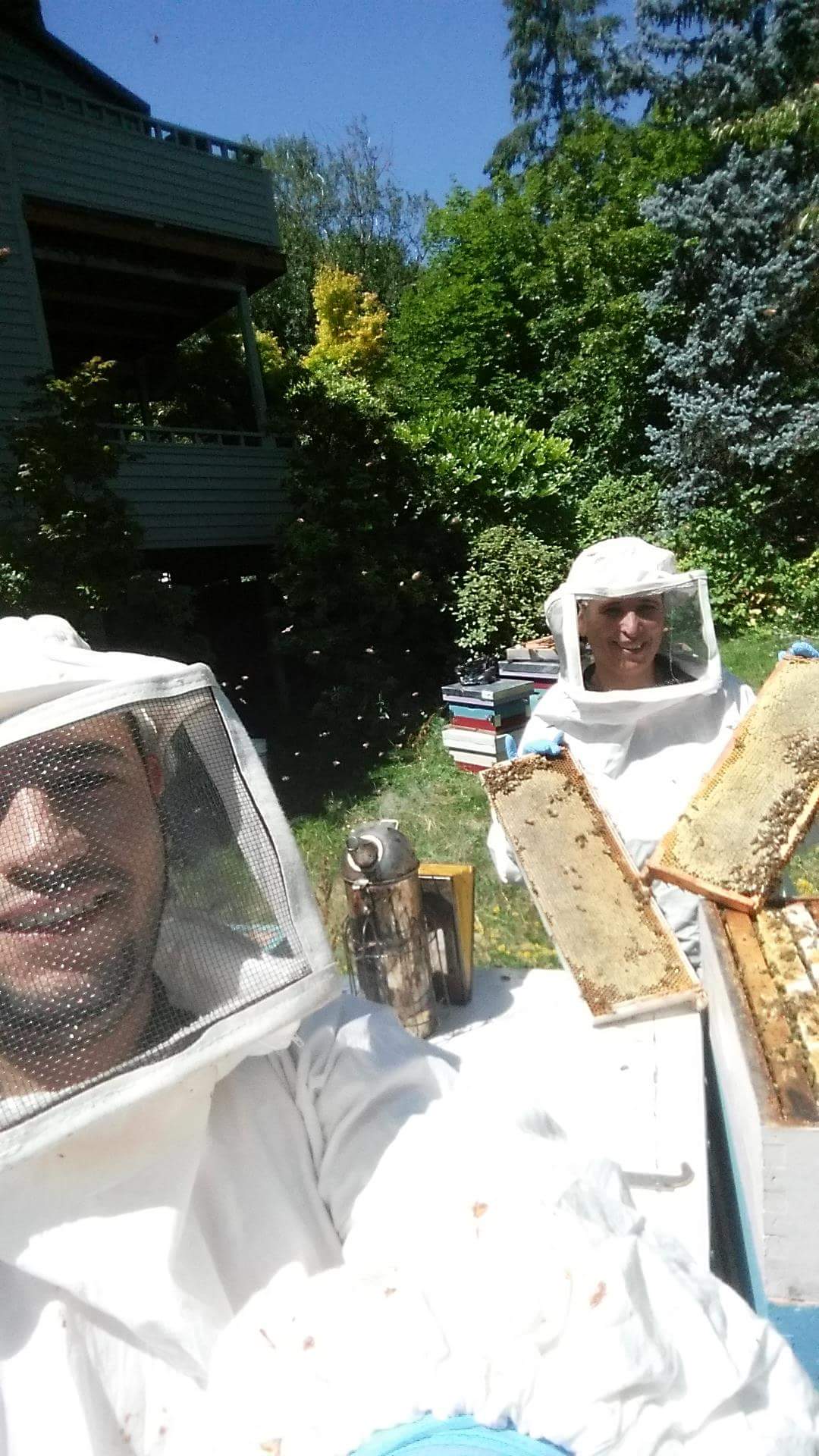
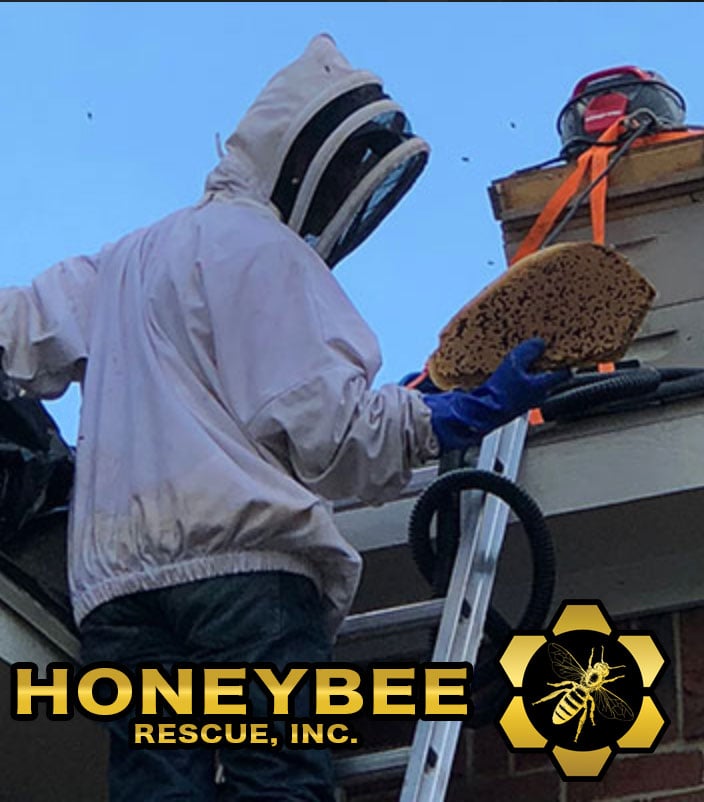
Whether you’re dealing with a repeat infestation, a swarm from a neighbor’s hive, or bees that have moved into a tree, wall, or owl box, our team can help. We perform live bee removal and rescue throughout the DFW Metroplex and beyond.
Contact us today for a free estimate, or call us at (214) 227-7562.
Related Services

Bee Removal Process
Learn about our professional bee removal process and what to expect.
Bee Removal Process →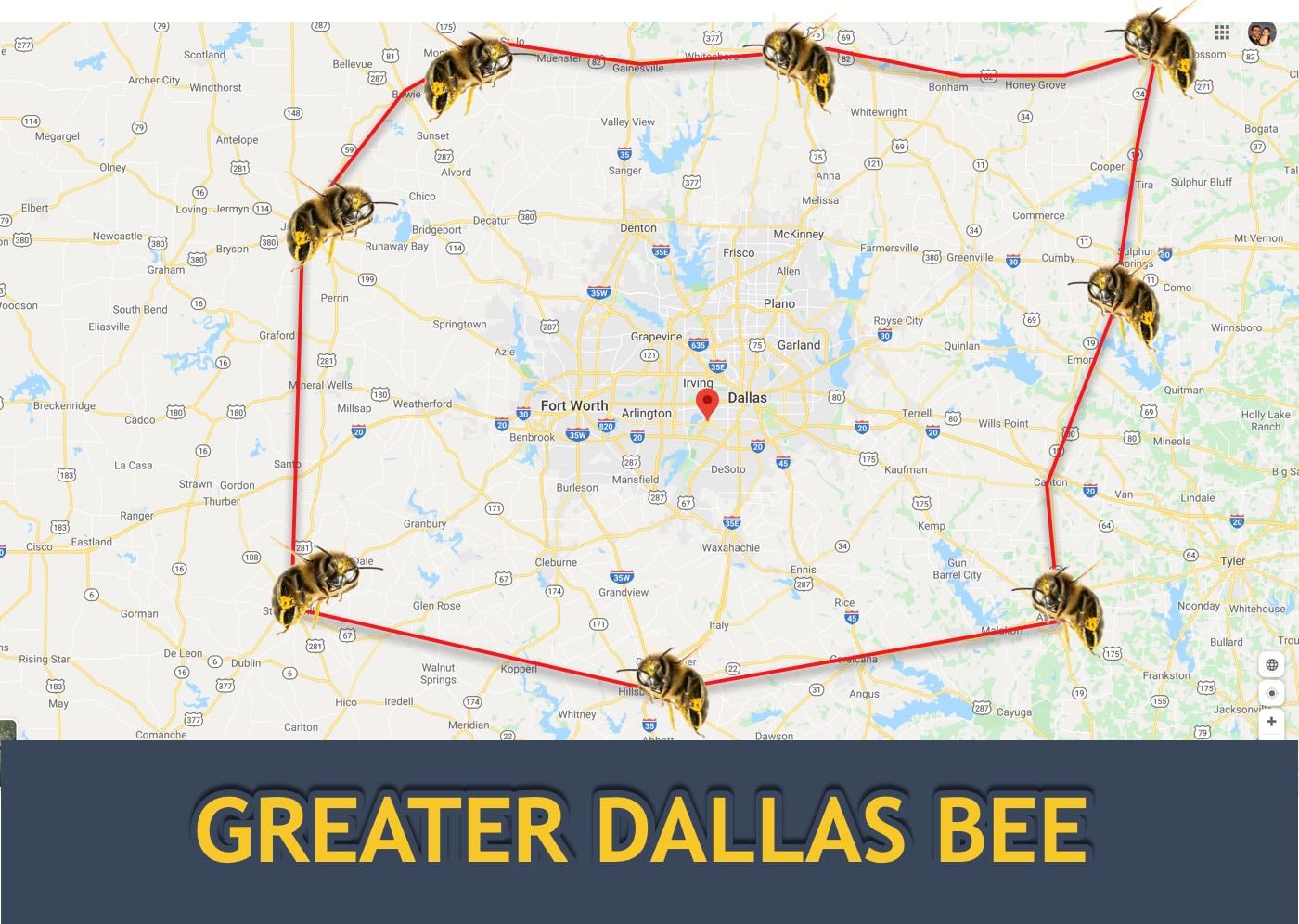
Bee Removal Service Area
Overview of our bee removal service areas across the DFW metroplex.
Bee Removal Service Area →
Ultimate Guide to Bee Removal
A comprehensive step-by-step guide to safely removing bees, from equipment and hive location to extraction and relocatio...
Ultimate Guide to Bee Removal →Need Help with Bee Removal and Rescue Methods?
Our expert team is ready to help. Get in touch today for a free consultation and estimate.